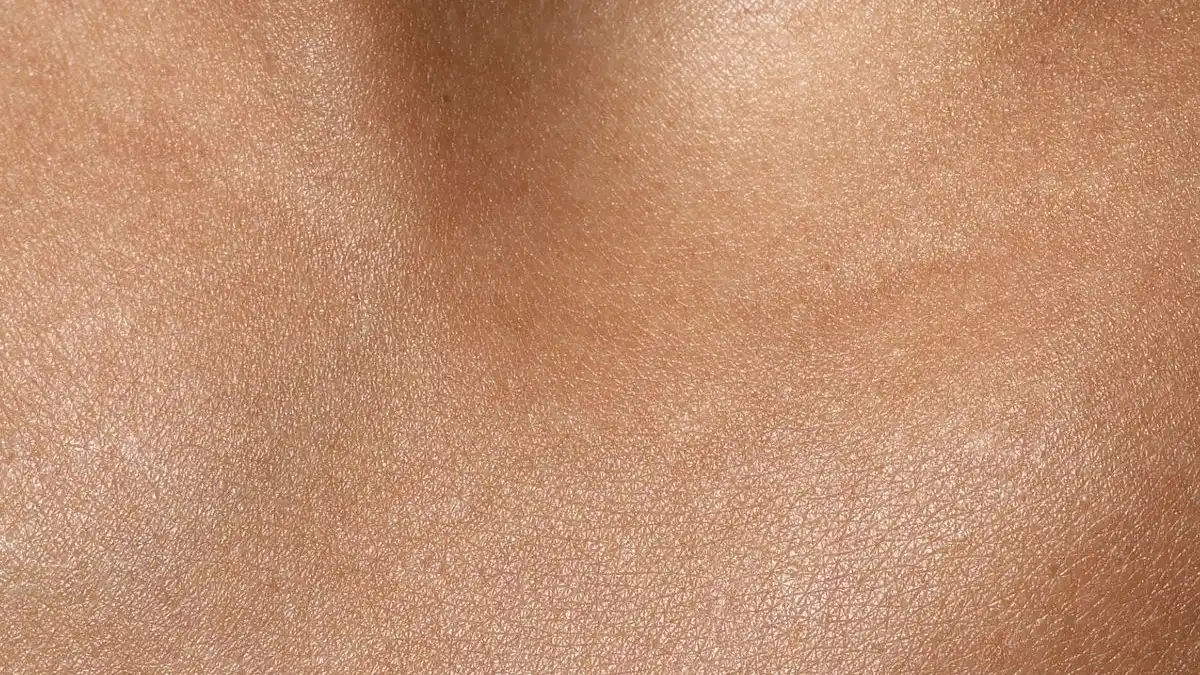
Formulation science
Why pH decides whether a 2% BHA does anything
Two exfoliants can both say 2% salicylic acid and behave completely differently. The variable that separates them is pH — and almost no brand publishes it.
Read the analysisLatest analyses
-
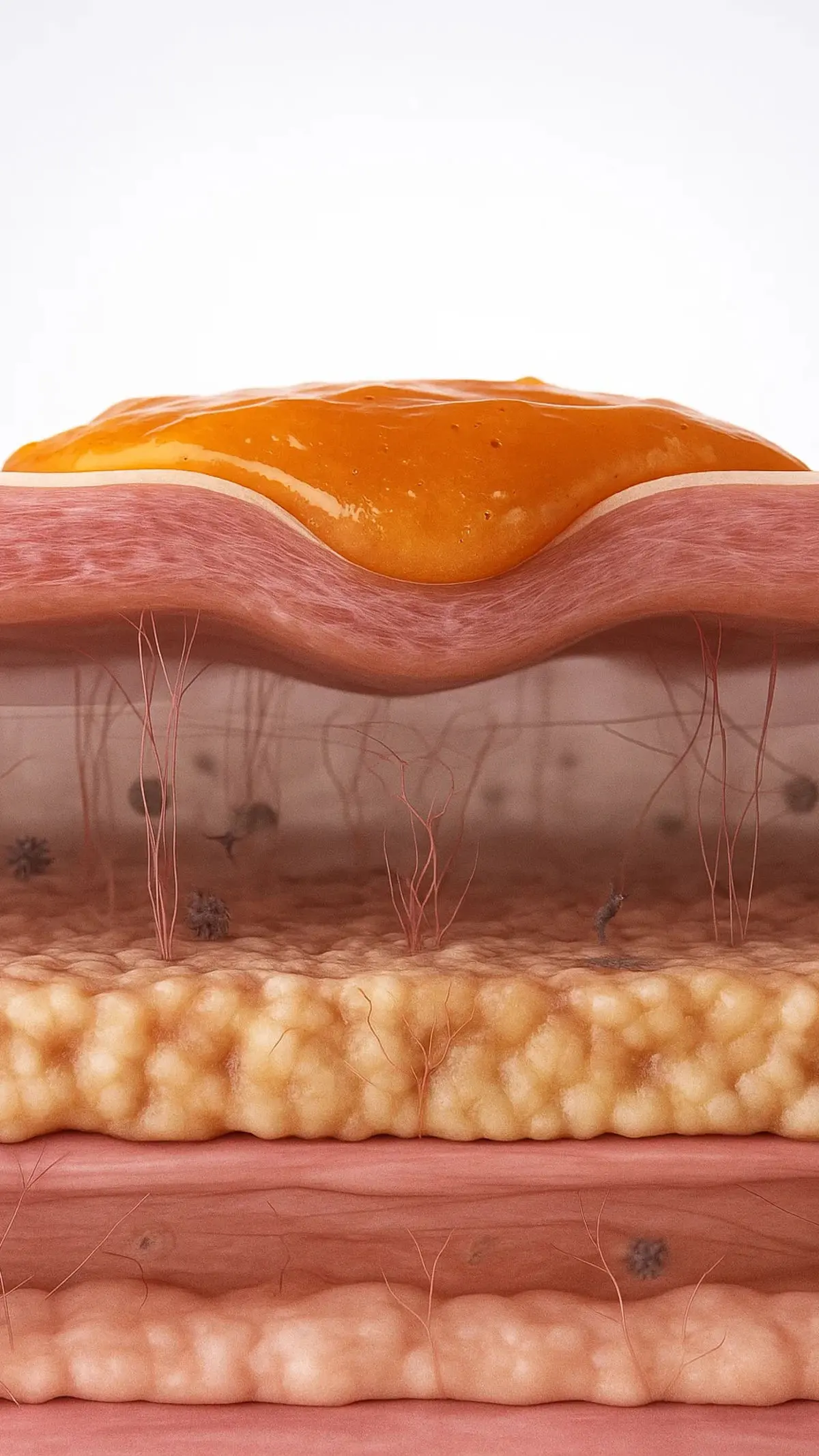
Ingredient analysis
What CeraVe Moisturising Cream actually does
Three ceramides, cholesterol, a fatty acid and a lot of petrolatum. A look at which parts of the barrier-repair claim the ingredient list can support.
-
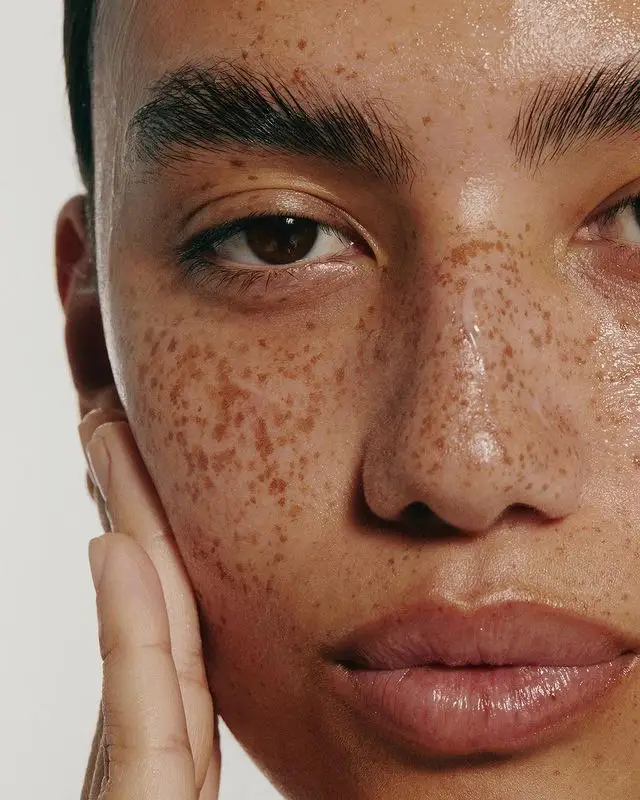
Ingredient analysis
Does 10% niacinamide actually beat 5%?
The Ordinary's Niacinamide 10% + Zinc 1% sits above the concentration most published research covers. Here is what the formula does and where the evidence stops.
-
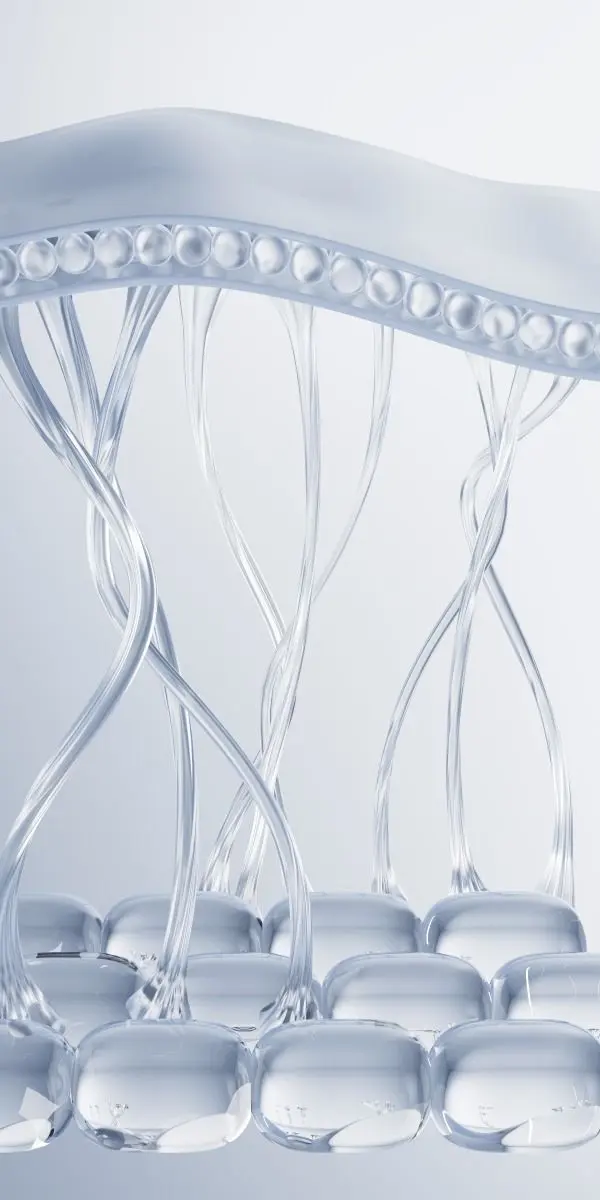
Label analysis
What does 10% Matrixyl actually mean?
The number refers to a supplier's peptide blend, not to peptide content. A look at what is really in the bottle and how peptide evidence compares with retinoids.
Formulation breakdowns
-
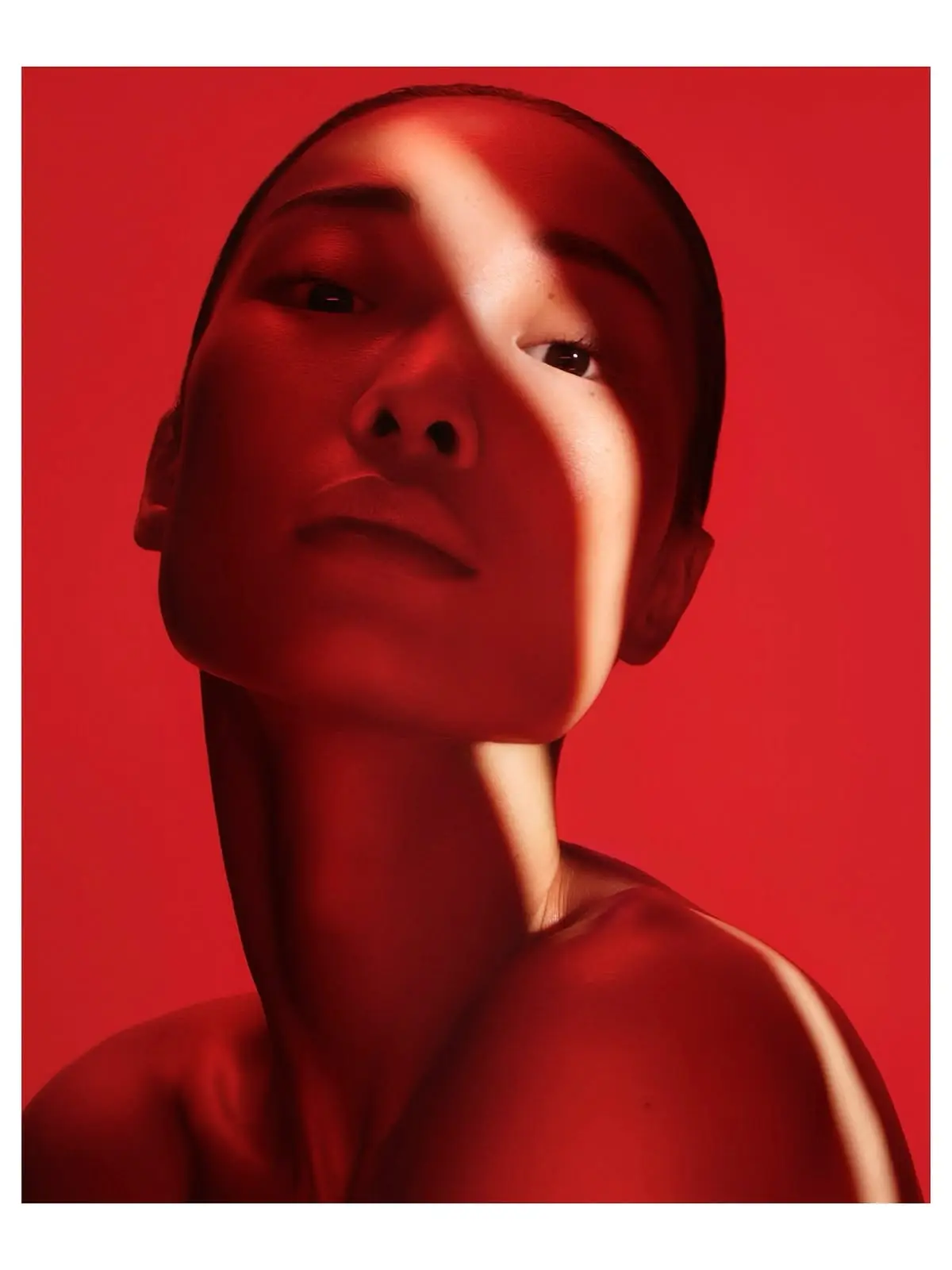
Red light therapy: what the evidence actually shows
What red and near-infrared light do to skin, which wavelengths the trials actually used, and how the Dr. Renú SpectraLift and CurrentBody Series 2 compare.
-
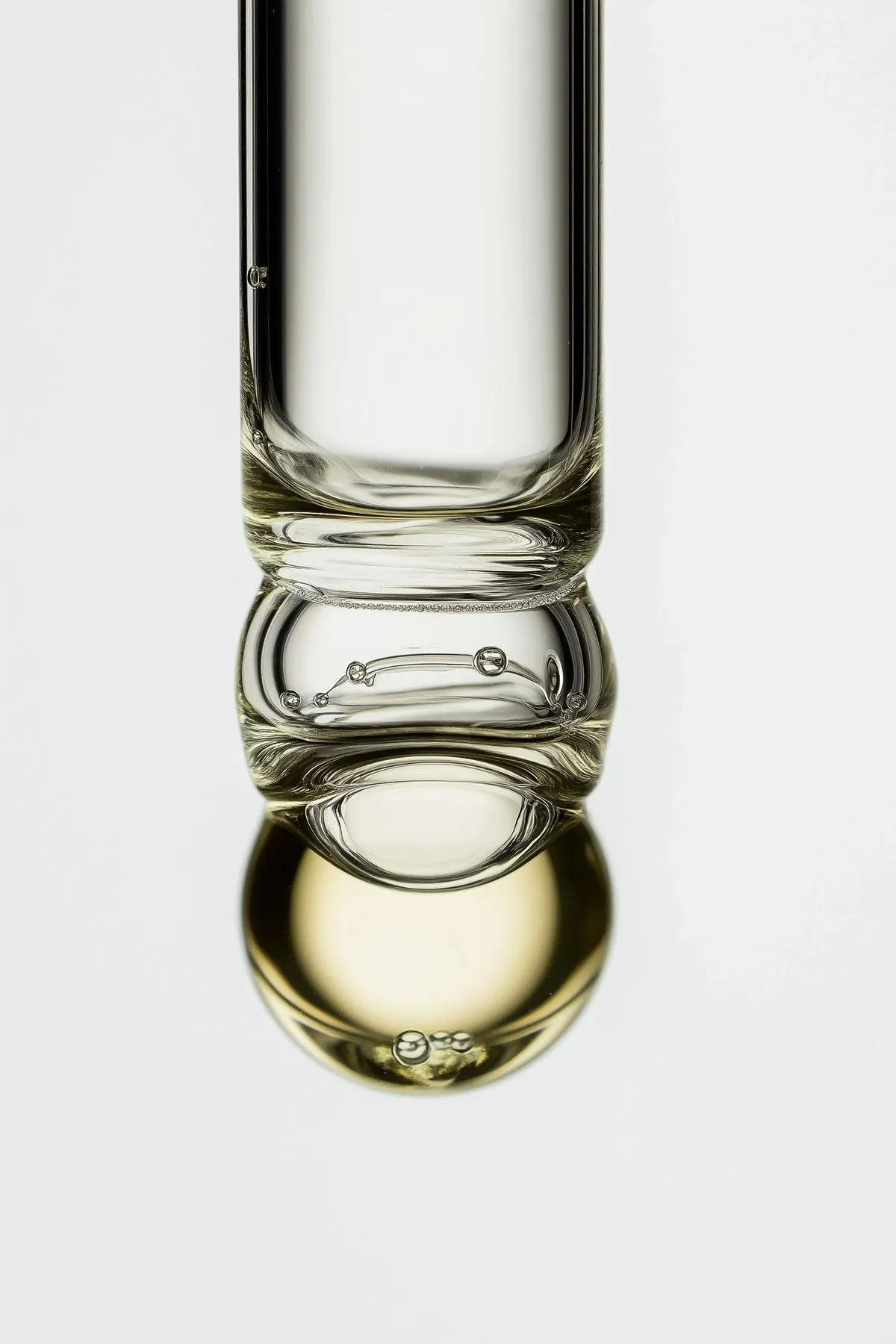
Is 0.2% retinol worth using at all?
An eight-ingredient anhydrous retinol serum at a concentration below most published trials. What the squalane base buys, and what 0.2% can realistically do.
Products analysed
View all- 24 ingredients 0 of 24 quantified
CeraVe
Moisturising Cream
- 8 ingredients 1 of 8 quantified
Paula's Choice
Skin Perfecting 2% BHA Liquid Exfoliant
- 17 ingredients 0 of 17 quantified
The Ordinary
Matrixyl 10% + HA
- 11 ingredients 2 of 11 quantified
The Ordinary
Niacinamide 10% + Zinc 1%
- 8 ingredients 1 of 8 quantified
The Ordinary
Retinol 0.2% in Squalane
New analysis,
once a month
No product pushes. No affiliate links. Just what was tested and what the formula actually does.